A portrait wants to be recognised. A mask wants the opposite. It removes the person and leaves the face — the structure every face is built on: two hollows for the eyes, a ridge, an opening that may or may not speak.
Journal 02 · Faces
A portrait wants to be recognised. A mask wants the opposite. It removes the person and leaves the face — the structure every face is built on: two hollows for the eyes, a ridge, an opening that may or may not speak.
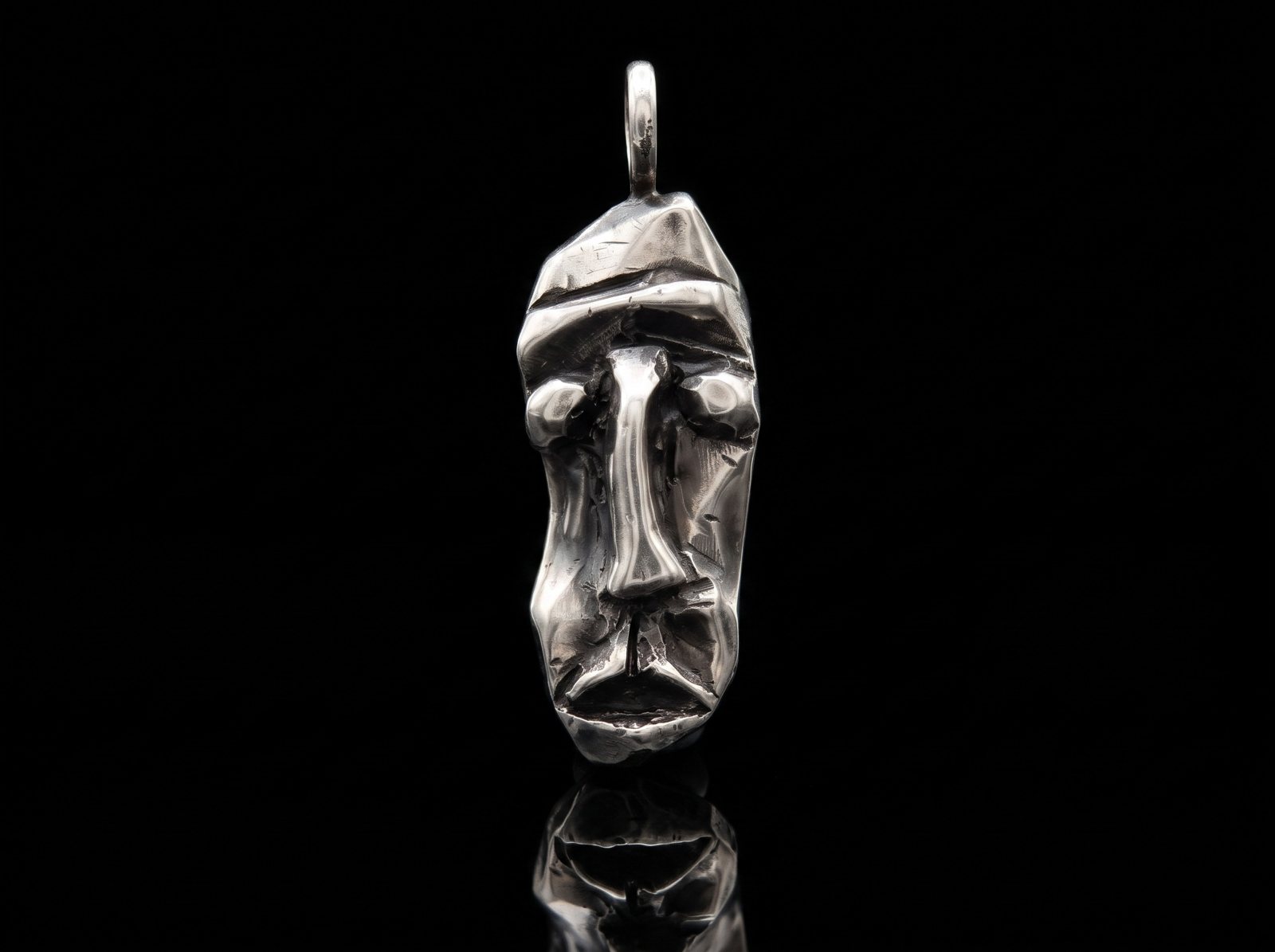 Plate — Mask
These faces are not modelled toward likeness. They are pushed, pressed and taken back. A cheek is raised and then flattened. A nose survives three corrections and keeps the scar of each. Symmetry is avoided the way a lie is avoided: the living face is never even.
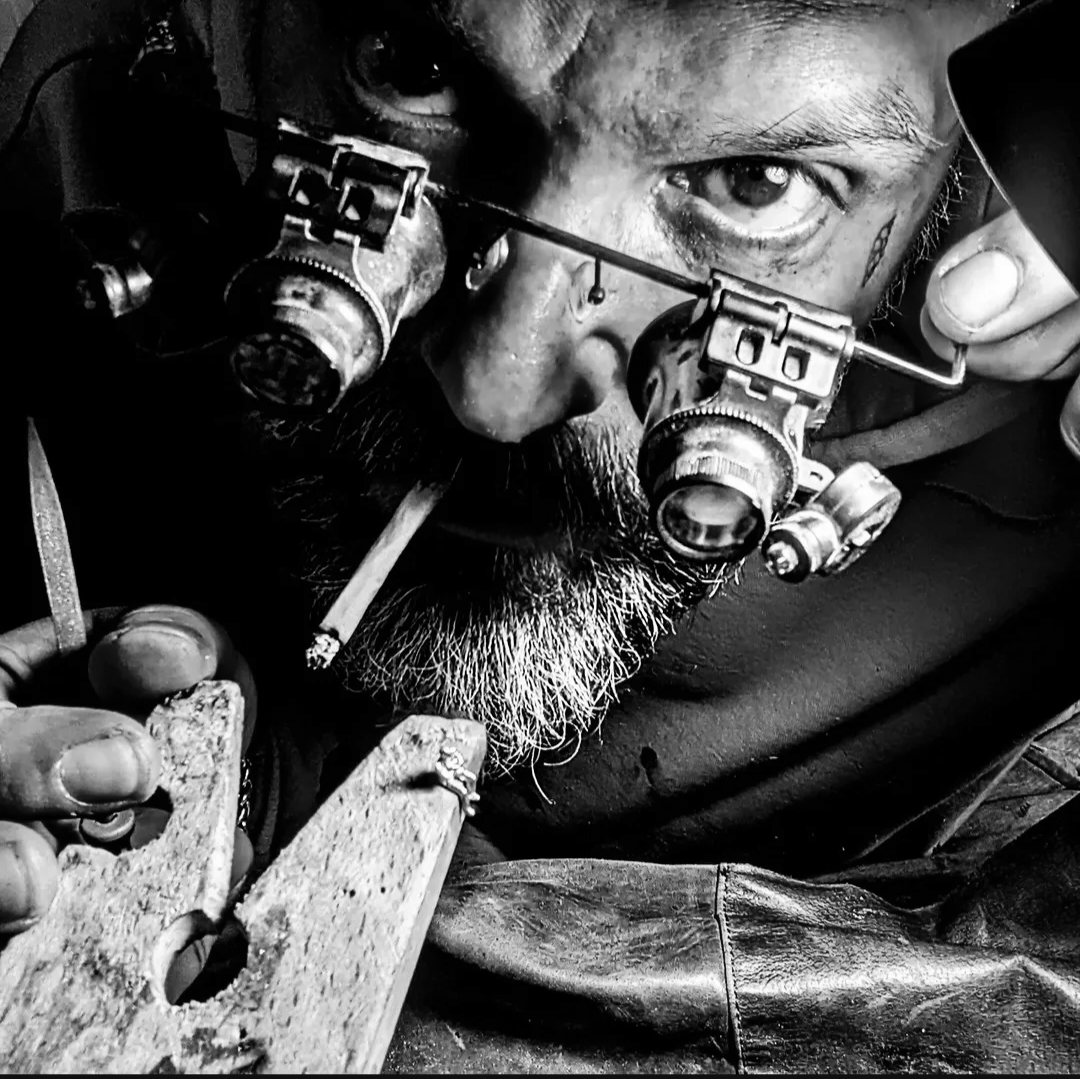
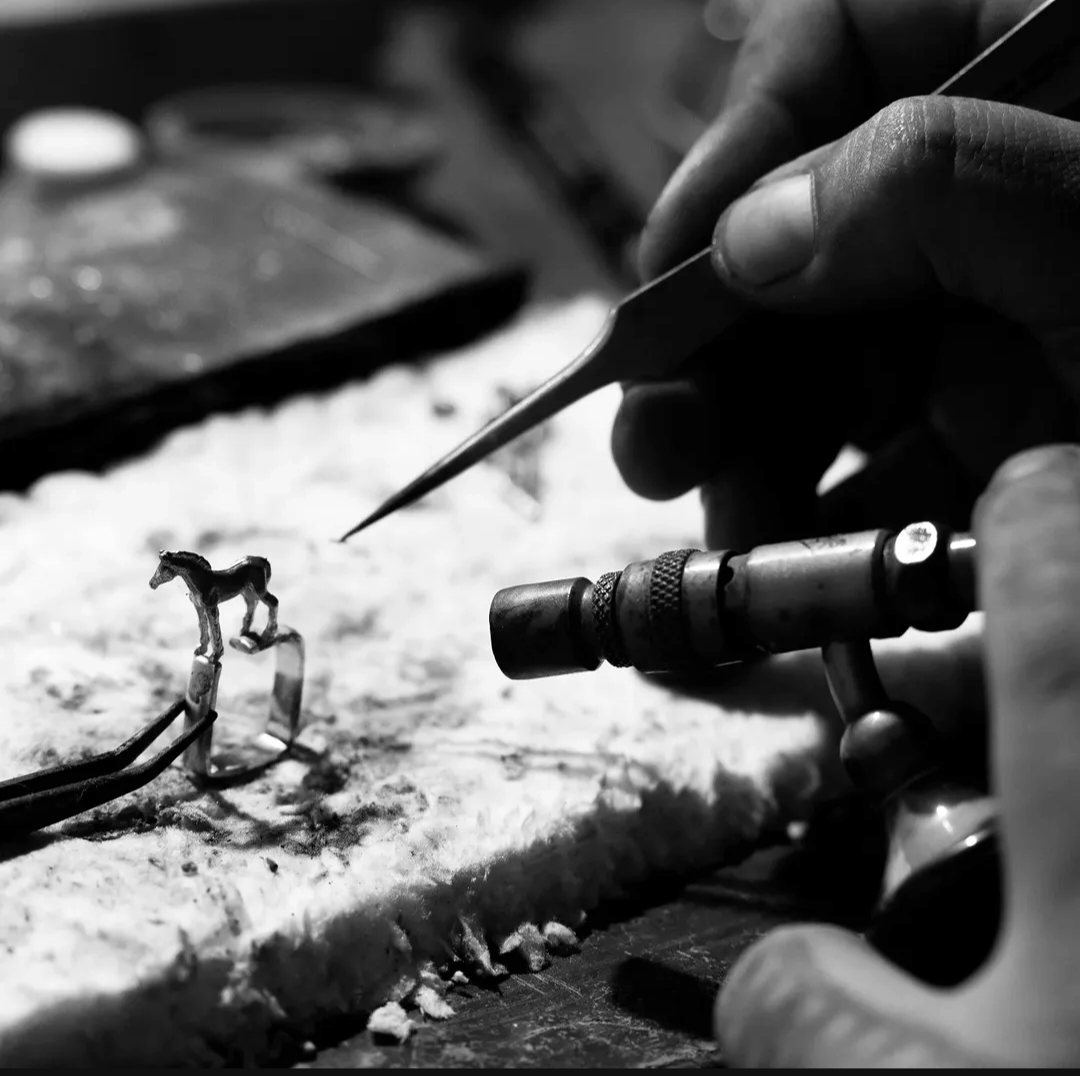
Under the lens, at ten times magnification, a face becomes a landscape — ridges, erosion, a dried riverbed where the tool passed. At arm's length it becomes a person again. The work happens in the distance between those two views.
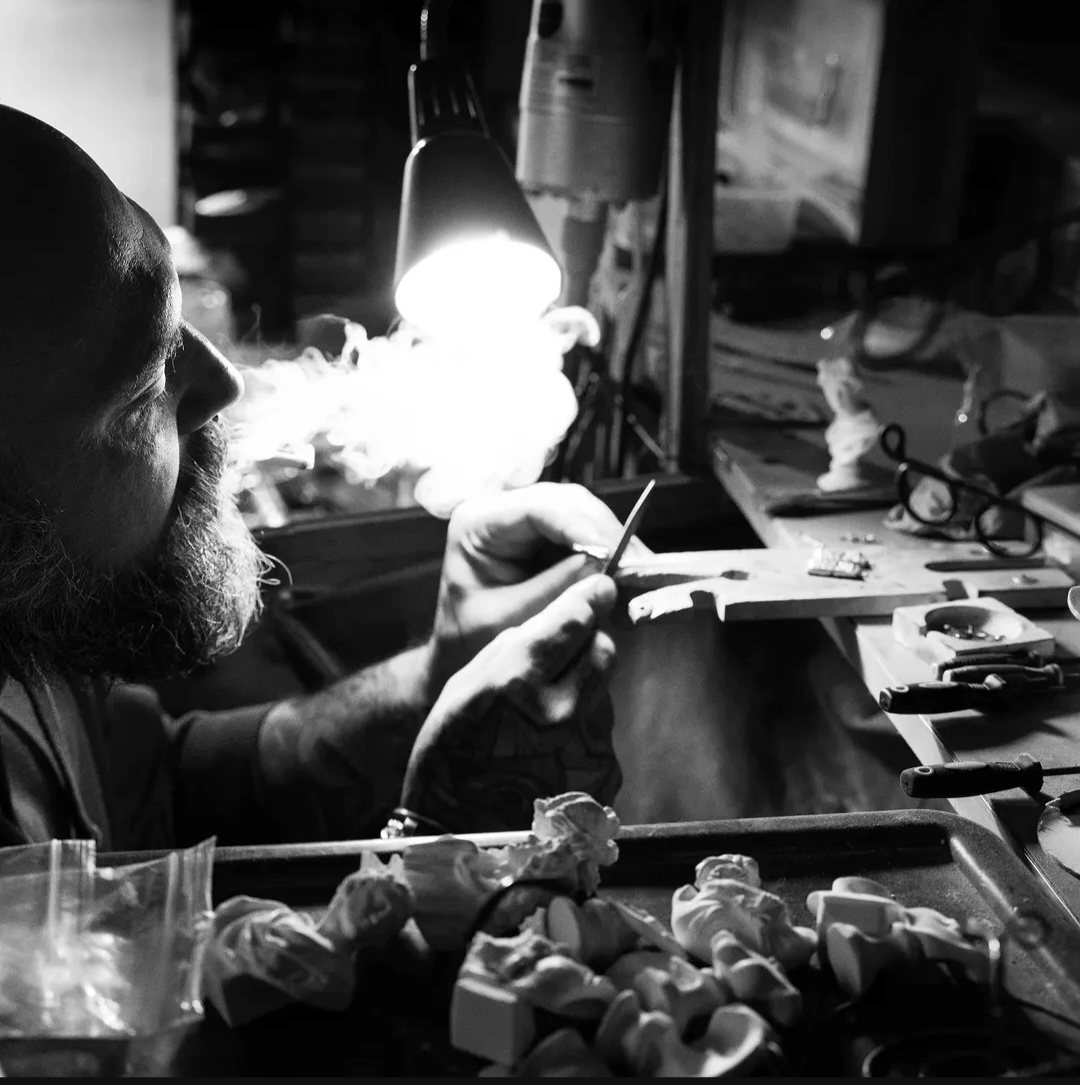
Nobody posed for these faces. They arrive half-remembered: someone from a train, a figure from an old fresco, a stranger who looked too long. They are finished when they stop resembling the face I intended and start resembling someone I have met.