Journal 01 · The body
Naked, not nude
In 1956 the historian Kenneth Clark drew a line that art still lives on. To be naked, he argued, is to be exposed — a body caught without its clothes, embarrassed, particular. The nude is something else: a body rebuilt by the mind, a form that has been given a purpose and a balance it never had in life.
The small torsos on this bench sit exactly on that line, and refuse to choose.
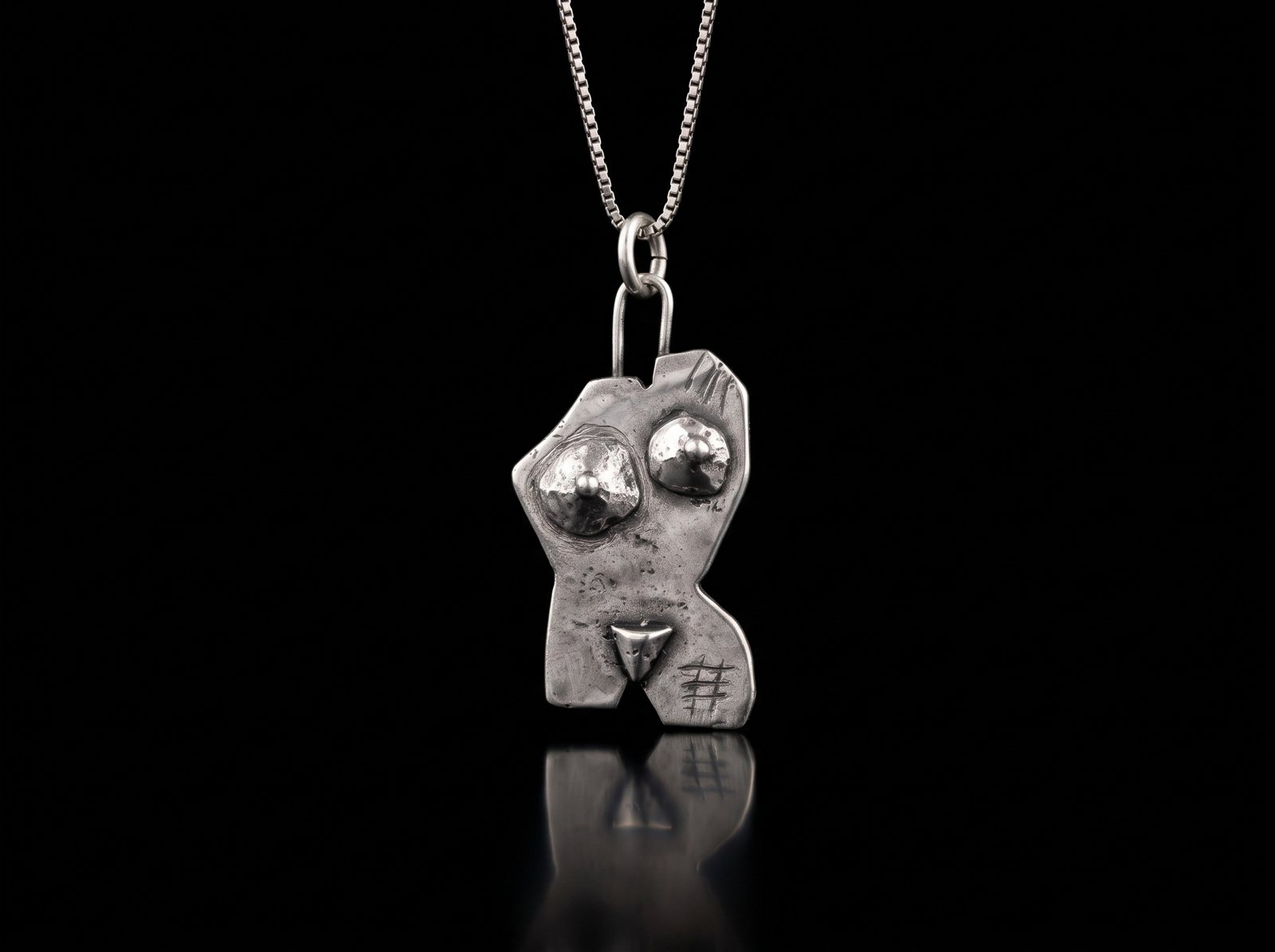 Plate — Torso
They have no head, so they cannot look back at you. They have no hands, so they cannot cover themselves. What remains is the part of the body that carries weight — hips, belly, breasts — the part that the oldest carved figures, some thirty thousand years old, already treated as the whole person.
The Greeks taught the body to stand on one leg. Shift the weight, let one hip rise and the opposite shoulder fall, and stone begins to breathe. That small tilt — contrapposto — was one of the great discoveries of Greek sculpture. Every torso here carries a version of it: a body at rest, but never still.
A fragment is not an unfinished body. It is a body that has survived.The broken antique torso is the most honest object a museum owns. Time has edited it. Arms, faces, gestures — everything that could lie has fallen away, and what is left can only tell the truth about mass, pressure and balance.
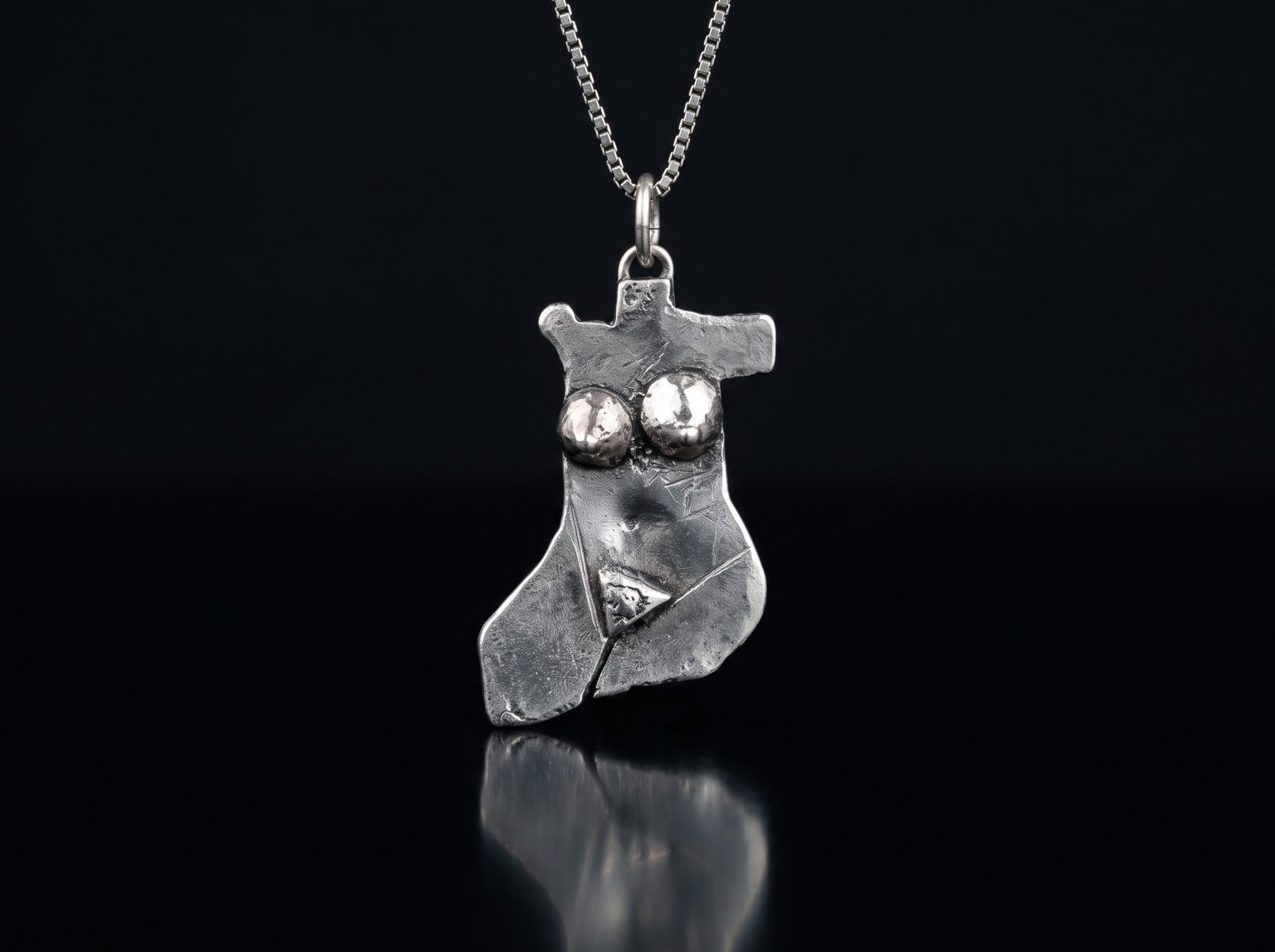 Plate — Venus
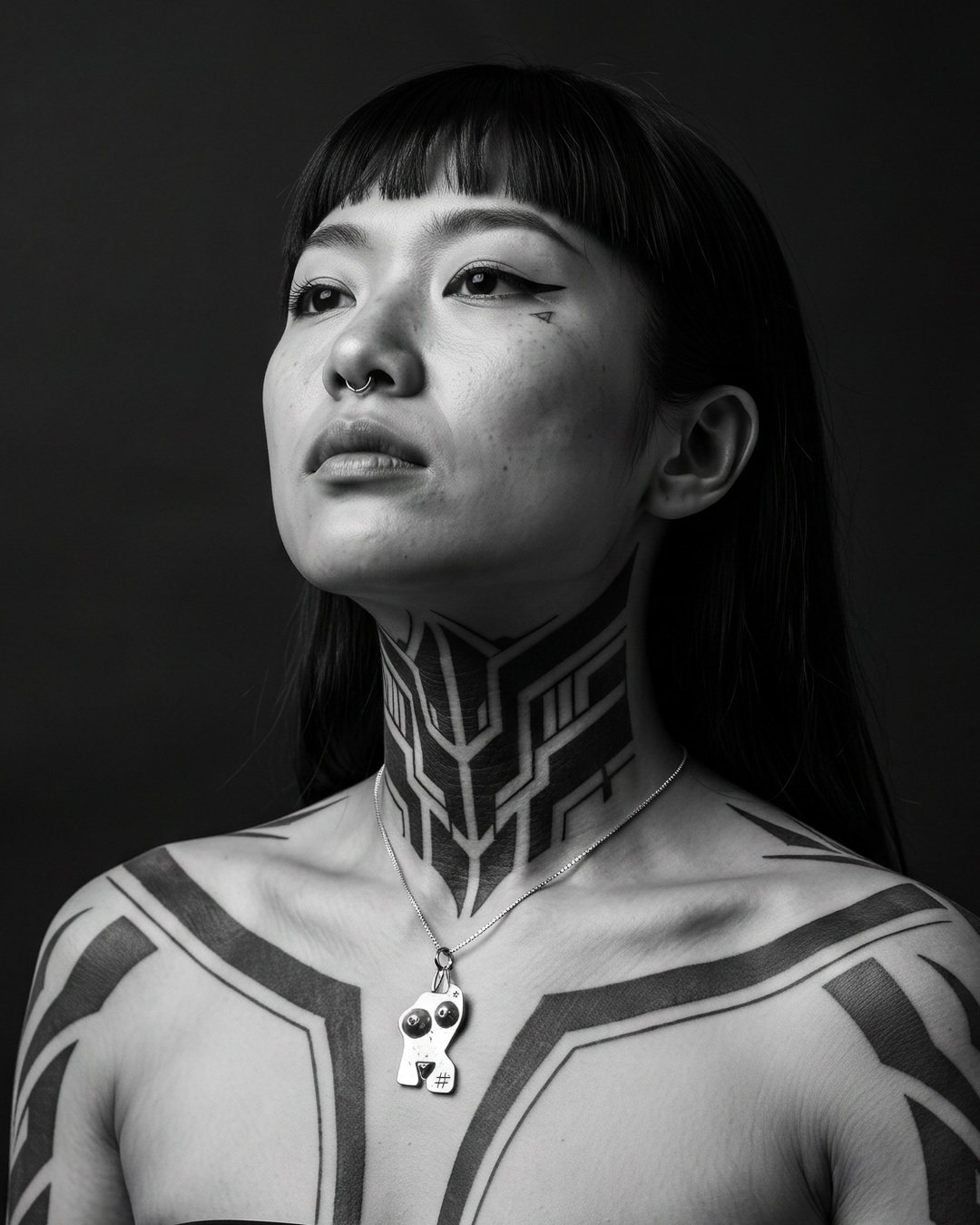
Worn on a chain, the torso finds a second body. It rests on the sternum, rises and falls with the breath, warms to the temperature of skin. A body worn on a body: the nude becomes naked again, and the distinction Clark drew dissolves at the collarbone.
All stories →